Chinchillas are charming and fluffy pets that are loved for their soft fur, playful behavior, and gentle temperament.
Native to the Andes Mountains, chinchillas require special care to stay healthy and active.
From providing a proper diet and regular dust baths to maintaining a cool and clean living space, understanding their needs is essential.
This SEO-optimized guide will help beginners and pet lovers learn everything about chinchilla care, habitat setup, and daily routines to ensure a happy life for their furry friend.
Chinchilla Coat
1 Chinchilla coats are known for their extraordinary softness, created by densely packed fur that feels smoother than most natural fibers
2 Each hair follicle produces dozens of fine hairs, giving the coat a plush texture that helps protect the animal in harsh climates
3 The natural thickness of a chinchilla’s coat acts as insulation, keeping them warm in cold environments while still remaining lightweight
4 Chinchilla fur typically appears in beautiful shades such as gray, white, beige, and even rare darker tones that add to its visual appeal
5 Unlike many animals, chinchillas cannot get their coats wet easily because moisture can damage the delicate fur structure
6 Instead of water, they rely on regular dust baths which absorb oils and dirt, keeping their coat clean and healthy
7 A well-maintained chinchilla coat looks fluffy, full, and slightly glossy, reflecting proper care and nutrition
8 Their dense fur also makes it difficult for parasites like fleas to survive, providing a natural layer of protection
9 Temperature control is very important, as their thick coat can cause overheating if they are kept in warm conditions
10 Stress or poor diet can lead to fur slipping, where patches of the coat may fall out as a defense mechanism
11 Historically, chinchilla coats were highly valued in fashion due to their softness and luxurious appearance
12 Today, there is growing awareness about ethical treatment and the importance of protecting chinchillas in the wild
13 Regular grooming behavior helps chinchillas maintain their coat without needing human intervention
14 Their coat also protects their sensitive skin from environmental damage and dryness
15 Proper airflow and a clean habitat play a major role in keeping their coat in top condition
16 The fur’s unique structure gives it a velvety feel that is rarely matched by other animals
17 Chinchilla coats are not only beautiful but also serve as an essential survival feature in their natural habitat
18 Owners should always provide a dust bath area to ensure the coat remains clean and free from excess oils
19 A healthy coat is often the first sign of a happy and well-cared-for chinchilla
20 With the right care, a chinchilla’s coat can remain soft, thick, and stunning throughout its life
Chinchilla Lifespan
1 Chinchillas are remarkable small animals known for their unusually long lifespan, especially when compared to other rodents of similar size
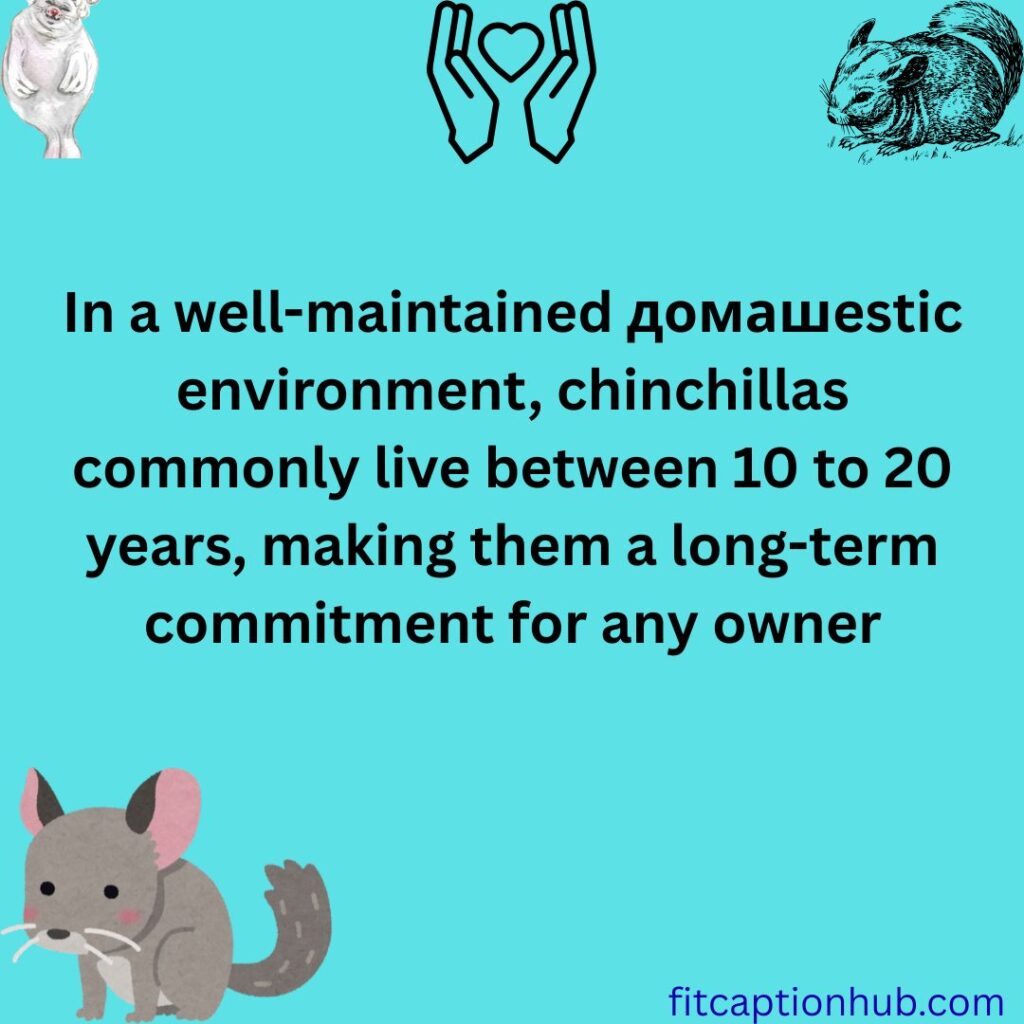
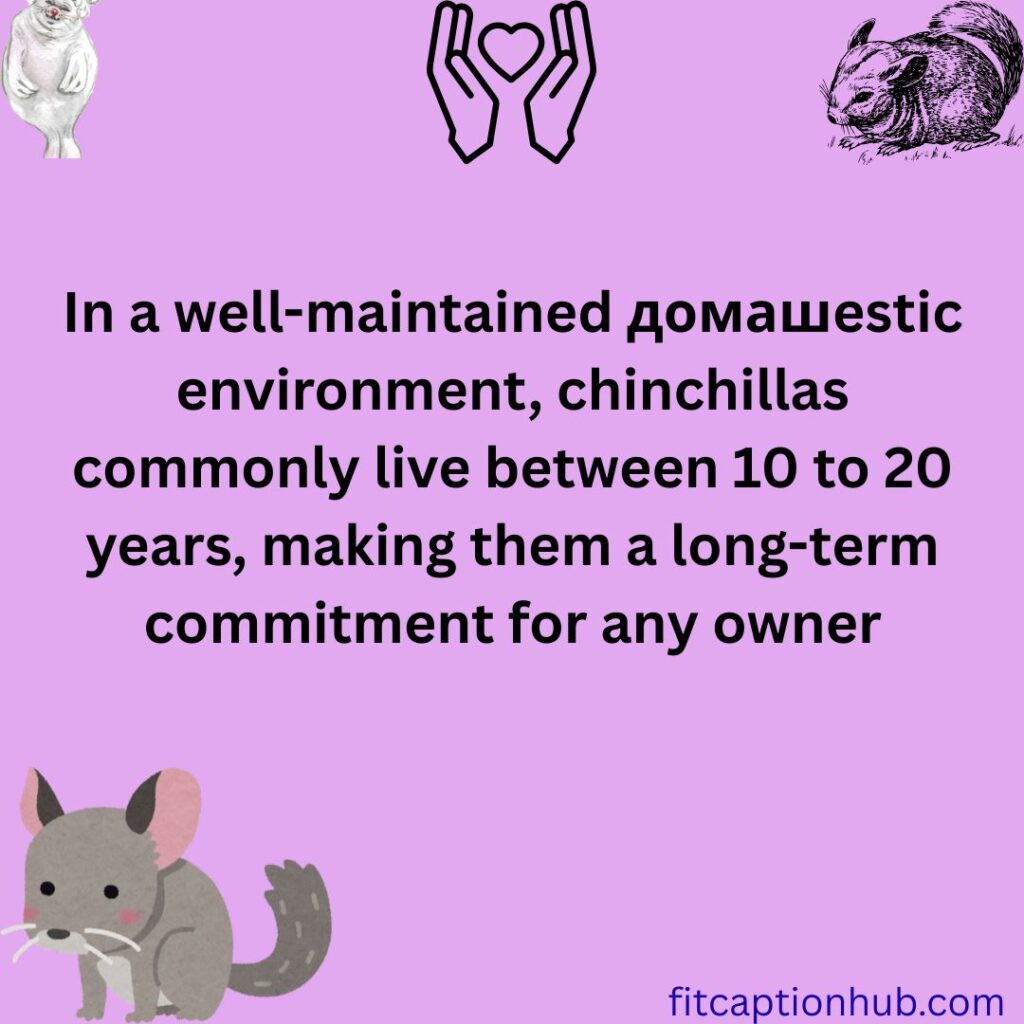
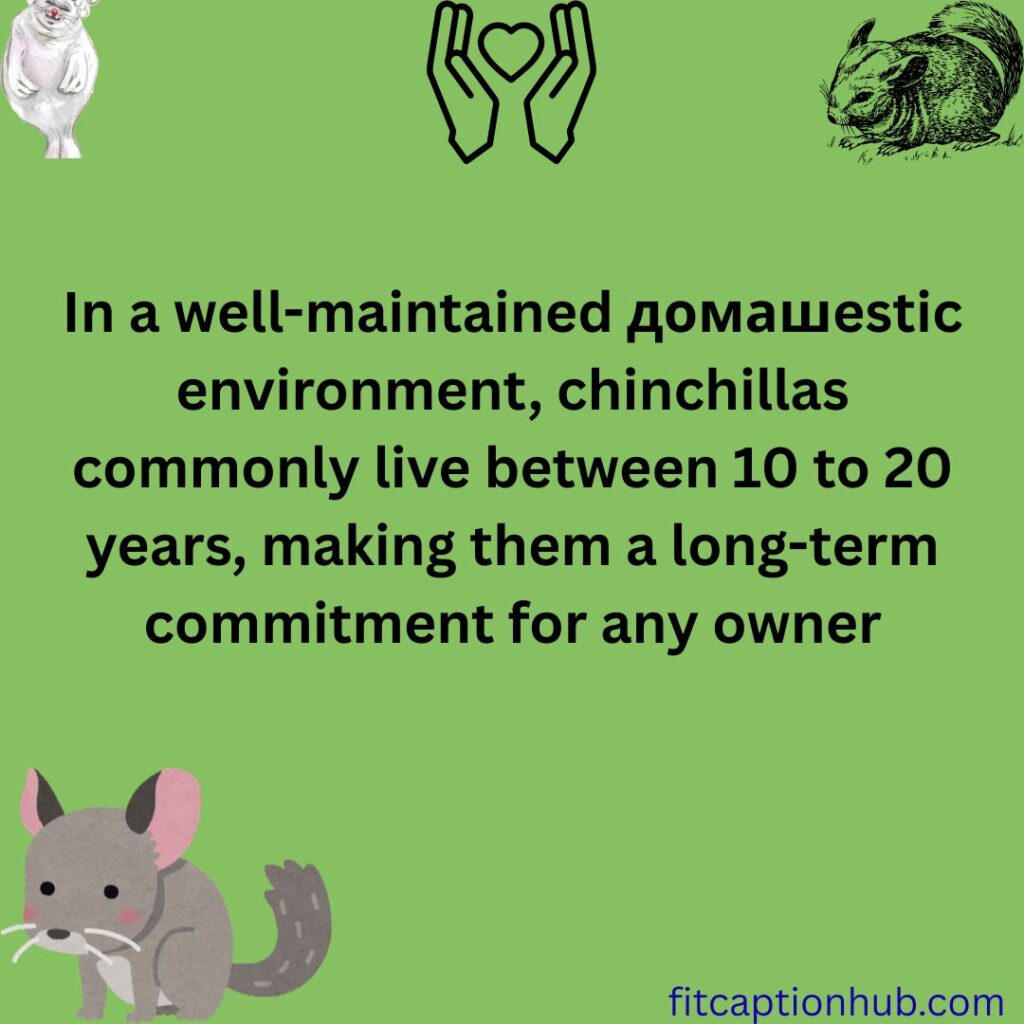
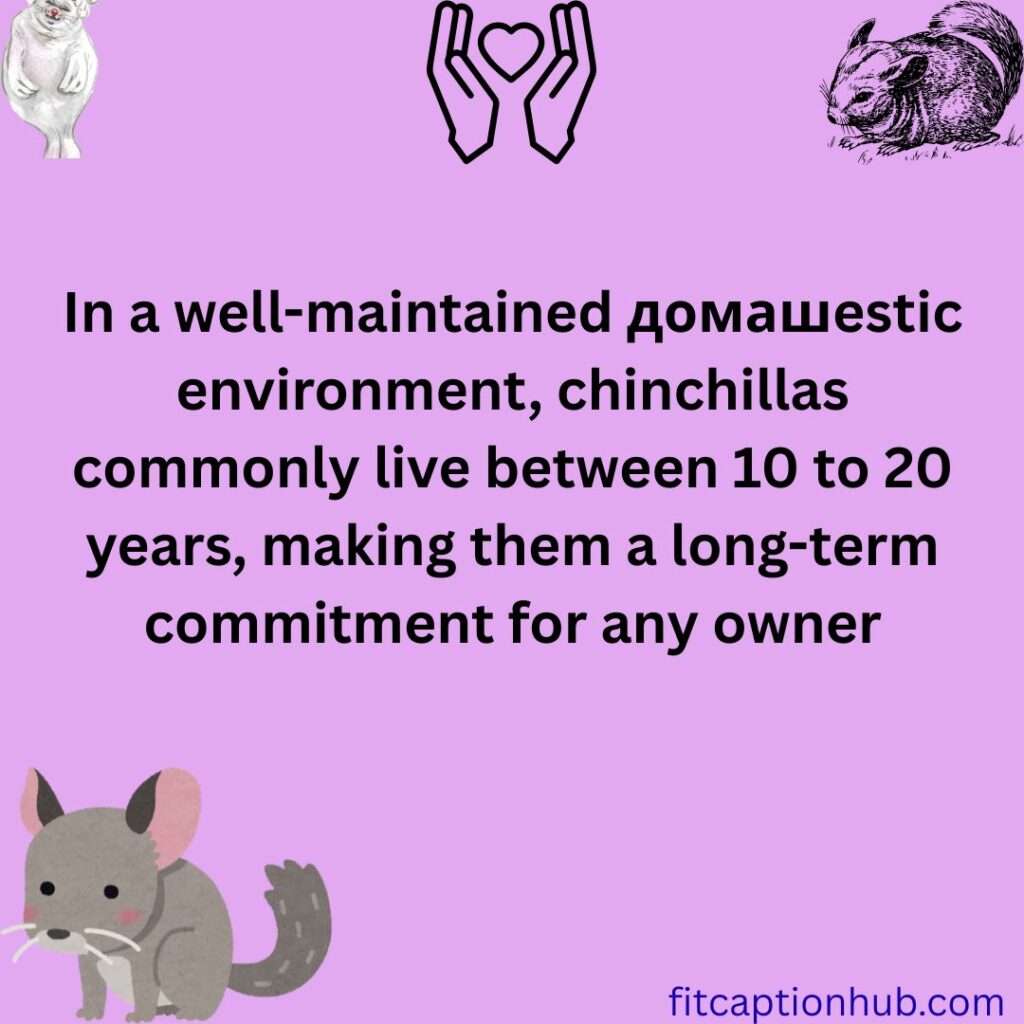
2 In a well-maintained домашestic environment, chinchillas commonly live between 10 to 20 years, making them a long-term commitment for any owner
3 With exceptional care, some chinchillas have been reported to live even beyond two decades, showing how much environment impacts longevity
4 A high-quality diet consisting mainly of hay, specially formulated pellets, and clean water is essential for supporting their long life
5 Fresh hay not only provides nutrition but also helps maintain proper digestion and dental health, both critical for lifespan
6 Chinchillas are highly sensitive to heat, and maintaining a cool environment significantly reduces the risk of heat-related illnesses
7 Clean cages and hygienic living conditions prevent infections and contribute to a healthier, longer life
8 Regular dust baths help maintain their dense fur, which in turn supports overall skin health and comfort
9 Stress can negatively affect a chinchilla’s lifespan, so a calm, quiet, and stable environment is very important
10 These animals are naturally active and require space and opportunities to exercise, which helps keep their bodies strong
11 Routine veterinary checkups allow early detection of health issues, improving the chances of long-term survival
12 Dental care is especially important because their teeth grow continuously and can cause serious problems if not managed
13 Providing safe chew toys helps control tooth growth and prevents painful dental conditions
14 Social interaction, handled gently and patiently, can improve their emotional well-being and quality of life
15 Genetics also plays a role, as some chinchillas may naturally live longer due to inherited traits
16 Avoiding toxic foods, harmful materials, and unsafe surroundings is essential to prevent accidents and illnesses
17 A healthy chinchilla usually shows bright eyes, an active personality, and a thick, soft coat
18 Owners who invest time in proper care often enjoy many rewarding years with their chinchilla companions
19 Longevity in chinchillas is a combination of good nutrition, proper housing, and attentive care from their owners
20 With dedication and the right environment, a chinchilla can live a long, happy, and fulfilling life as a beloved pet
You’re out of messages with the most advanced Free model.Responses will use a less powerful model until your usage resets after 12:36 PM.
Upgrade
Chinchilla Cat
1 The Chinchilla cat is a special and elegant variety of the Persian cat breed, admired worldwide for its luxurious silver-tipped fur and royal appearance
2 Its name comes from the chinchilla animal because its coat has a similar soft, shimmering, and finely textured look that reflects light beautifully
3 The fur of a Chinchilla cat is usually pure white or silver at the base, with dark tipping at the ends, creating a sparkling silver effect
4 One of the most striking features of this cat is its large, round eyes that are often green or blue-green, giving it a very expressive and gentle face
5 The face structure is typically flat with a short nose, a common trait of Persian-type cats, adding to its cute and doll-like appearance
6 Chinchilla cats are known for their calm, peaceful, and relaxed temperament, making them excellent indoor companions
7 They enjoy a quiet lifestyle and prefer staying in comfortable, familiar surroundings rather than noisy or chaotic environments
8 Although they are affectionate, they are not overly demanding and often show love in a soft and subtle way
9 These cats enjoy sitting near their owners and may follow them quietly around the house without being overly active
10 Their long, dense coat requires regular grooming to prevent tangles and maintain its smooth, silky texture
11 Daily brushing is often recommended to keep their fur clean, shiny, and free from knots
12 Despite their luxurious appearance, Chinchilla cats are sensitive to heat and should be kept in cool, comfortable environments
13 They are intelligent animals and can recognize their owners, forming strong emotional bonds over time
14 Chinchilla cats usually get along well with calm children and other gentle pets if introduced properly
15 Their activity level is generally low, but they still enjoy short bursts of play with soft toys or interactive games
16 A balanced diet is important for maintaining their overall health and keeping their coat in excellent condition
17 Because of their elegant look and rare beauty, Chinchilla cats are often seen in cat shows and exhibitions
18 They are considered a luxury pet breed and require dedicated care to maintain their grooming and health needs
19 Their graceful movements, calm personality, and stunning coat make them one of the most admired Persian cat variations
20 Overall, the Chinchilla cat is a perfect blend of beauty, elegance, and gentle companionship for those who appreciate a calm indoor pet
Easy Chinchilla
2 Its name comes from the chinchilla animal because its coat has a similar soft, shimmering, and finely textured look that reflects light beautifully
3 The fur of a Chinchilla cat is usually pure white or silver at the base, with dark tipping at the ends, creating a sparkling silver effect
4 One of the most striking features of this cat is its large, round eyes that are often green or blue-green, giving it a very expressive and gentle face
5 The face structure is typically flat with a short nose, a common trait of Persian-type cats, adding to its cute and doll-like appearance
6 Chinchilla cats are known for their calm, peaceful, and relaxed temperament, making them excellent indoor companions
7 They enjoy a quiet lifestyle and prefer staying in comfortable, familiar surroundings rather than noisy or chaotic environments
8 Although they are affectionate, they are not overly demanding and often show love in a soft and subtle way
9 These cats enjoy sitting near their owners and may follow them quietly around the house without being overly active
10 Their long, dense coat requires regular grooming to prevent tangles and maintain its smooth, silky texture
11 Daily brushing is often recommended to keep their fur clean, shiny, and free from knots
12 Despite their luxurious appearance, Chinchilla cats are sensitive to heat and should be kept in cool, comfortable environments
13 They are intelligent animals and can recognize their owners, forming strong emotional bonds over time
14 Chinchilla cats usually get along well with calm children and other gentle pets if introduced properly
15 Their activity level is generally low, but they still enjoy short bursts of play with soft toys or interactive games
16 A balanced diet is important for maintaining their overall health and keeping their coat in excellent condition
17 Because of their elegant look and rare beauty, Chinchilla cats are often seen in cat shows and exhibitions
18 They are considered a luxury pet breed and require dedicated care to maintain their grooming and health needs
19 Their graceful movements, calm personality, and stunning coat make them one of the most admired Persian cat variations
20 Overall, the Chinchilla cat is a perfect blend of beauty, elegance, and gentle companionship for those who appreciate a calm indoor pet
Chinchilla Pet
1 A chinchilla pet is a small exotic animal that is widely loved for its extremely soft, dense, and luxurious fur that feels almost like silk when observed closely
2 These pets originally come from the cold mountainous regions of the Andes in South America, where they naturally survive in cool, dry, and rocky environments
3 As domestic pets, chinchillas are popular among animal lovers because of their calm behavior, unique appearance, and long lifespan compared to many small rodents
4 Their fur is one of the thickest in the animal kingdom, which helps protect them in the wild but also makes them very sensitive to heat in home environments
5 Chinchillas are mostly nocturnal animals, meaning they become active during the evening and night hours while spending most of the day resting or sleeping
6 They require a large, multi-level cage with space for jumping, climbing, and exploring because they are naturally active and energetic when awake
7 Maintaining a cool temperature is extremely important since chinchillas can easily suffer from heat stress if exposed to warm or humid conditions
8 Their diet mainly consists of high-quality hay, specially formulated pellets, and limited healthy treats that support digestion and overall health
9 Fresh and clean water must always be available to ensure proper hydration and to support their daily bodily functions
10 One of the most important care routines for chinchilla pets is dust bathing, which helps remove oil and dirt from their dense fur without using water
11 These animals are naturally curious and enjoy exploring their surroundings, but they always need a safe and controlled environment to prevent injury
12 At first, chinchillas may appear shy or nervous, but with gentle handling and patience, they gradually become more comfortable with their owners
13 They are intelligent animals and can learn daily routines, recognize feeding times, and even respond to familiar sounds over time
14 Chinchillas are quiet pets, which makes them ideal for people living in apartments or households that prefer low-noise animals
15 Chewing is a natural and essential behavior for them because their teeth grow continuously throughout their lives
16 Providing safe wooden toys and chew sticks is necessary to prevent dental issues and to keep their teeth naturally worn down
17 Stress-free environments play a major role in keeping chinchillas healthy, as stress can negatively affect their behavior and lifespan
18 They should always be kept away from loud noises, rough handling, and sudden environmental changes to ensure emotional stability
19 With proper care, nutrition, and environment, chinchilla pets can live a long life of more than 10 to 20 years
20 Overall, chinchillas are adorable, intelligent, and long-living pets that require responsible care but reward owners with years of companionship and joy
Chinchilla Care
1. Chinchillas need a cool and dry environment, so always keep their space below 25°C because high temperatures can easily cause heatstroke.
2. Provide a large, well-ventilated cage with multiple levels so your chinchilla has enough space to jump, climb, and stay active.
3. Feed your chinchilla a high-quality hay-based diet, mainly timothy hay, as it helps maintain healthy digestion and teeth.
4. Always give fresh, clean water daily using a proper water bottle to keep them hydrated and prevent contamination.
5. Avoid feeding sugary fruits or treats too often, as chinchillas have sensitive stomachs and can get sick easily.
6. Give your chinchilla dust baths 2–3 times a week to keep their fur clean, soft, and free from oils.
7. Never use water for bathing, because their dense fur takes too long to dry and can lead to infections.
8. Provide safe chew toys made of wood to help wear down their constantly growing teeth.
9. Keep their cage clean by removing waste regularly and doing a deep clean at least once a week.
10. Place the cage in a quiet area, as chinchillas are sensitive to loud noises and stress easily.
11. Make sure they have hiding spots or small shelters in the cage where they can feel safe and relaxed.
12. Handle your chinchilla gently and regularly so they become comfortable with human interaction over time.
13. Avoid sudden movements when holding them, as they can get scared and may jump or escape quickly.
14. Provide a consistent routine for feeding and care, as chinchillas feel more secure with stability.
15. Keep them away from direct sunlight and humid conditions to protect their health.
16. Check their teeth and fur regularly to ensure there are no signs of overgrowth or skin problems.
17. Give them time outside the cage in a safe, enclosed area to exercise and explore.
18. Avoid housing chinchillas with aggressive animals, as they are delicate and can get injured easily.
19. Monitor their behavior daily, because changes in activity or eating habits can indicate health issues.
20. Always consult a vet experienced with small animals if you notice any unusual symptoms or concerns.
Related: 177+ Top Quotes About Health
Related: 177+ Top Quotes About Health
Chinchilla Diet
1. Timothy hay should make up most of your chinchilla’s diet.
It supports digestion and keeps teeth properly worn down.
2. Provide fresh hay every day without fail.
Old or dusty hay can cause health problems.
3. Give high-quality chinchilla pellets in small amounts.
Avoid mixes with seeds, nuts, or colored bits.
4. Always supply fresh, clean water.
Use a bottle to keep it hygienic and safe.
5. Avoid sugary fruits as regular food.
Too much sugar can upset their sensitive stomach.
6. Offer treats only occasionally and in tiny amounts.
Overfeeding treats can lead to serious health issues.
7. Safe treats include small pieces of dried herbs.
Keep portions very limited to avoid digestive upset.
8. Never feed fresh vegetables daily.
They can cause bloating and diarrhea if overused.
9. Avoid nuts and seeds completely.
They are too high in fat for chinchillas.
10. Do not give human food at all.
Processed foods are harmful to their system.
11. Keep feeding times consistent every day.
Routine helps maintain a healthy digestive system.
12. Store food in a dry, cool place.
This prevents mold and keeps it fresh.
13. Remove uneaten fresh food quickly.
It can spoil and make your pet sick.
14. Provide chew sticks like apple wood.
They support dental health and prevent overgrowth.
15. Avoid sudden diet changes.
Introduce new foods slowly to prevent stomach issues.
16. Monitor how much your chinchilla eats daily.
Loss of appetite can signal illness.
17. Keep food bowls clean at all times.
Hygiene is important for preventing infections.
18. Limit high-calorie foods strictly.
Obesity can become a serious problem.
19. Observe droppings regularly.
Changes can indicate diet-related issues.
20. Consult a vet before adding new foods.
Professional advice helps keep their diet balanced.
final Thoughts
Taking care of a chinchilla is both fun and rewarding when you follow the right practices.With proper nutrition, a safe environment, and regular attention, your chinchilla can live a long and joyful life.
Always focus on cleanliness, comfort, and gentle handling to build a strong bond with your pet.A well-cared-for chinchilla will not only thrive but also bring happiness and companionship into your home.