A great cake recipe is more than a list of ingredients—it is the secret formula behind a soft crumb, beautiful rise, and irresistible flavor.
🍰✨ Every measurement, mixing technique, ingredient temperature, and baking step can shape the final result.
In this guide, you’ll discover practical techniques for building reliable cake recipes, avoiding common baking mistakes, and creating desserts that look as impressive as they taste.
From fluffy layers to rich flavors and elegant finishes, turn simple ingredients into a truly cake recipe caption.
Weight Dry Powders for cake recipe caption Accuracy
- Utilizing digital kitchen scales eliminates the severe volume variances caused by packing flour tightly into measuring cups.
- Accurate metric weight tracking guarantees absolute professional consistency across every single batch of cake layers baked.
- Gram-based measurements allow for precise micro-adjustments to delicate leavening powders, preventing unexpected center deflations safely.
- Weighing your dry ingredients before sifting ensures you do not lose critical leavening mass during the dusting process.
- Measuring liquid ingredients by weight rather than fluid ounces streamlines your kitchen workflow using fewer dirty dishes.
- Setting your digital scale back to zero between ingredient additions enables single-bowl mixing workflows with ease.
- Volumetric cup measurements can fluctuate up to twenty percent based on flour settling, ruining delicate sponge recipes.
- Precise fat weight tracking keeps your recipe ratios perfectly balanced, avoiding greasy crumbs or dry layer structures.
- Documenting exact weight variations across seasonal baking cycles helps refine your custom formula sheets over multiple years.
- Proper weight discipline separates casual home cooks from accomplished pastry chefs who demand flawless, predictable results.
- The solid reliability of a scale-measured recipe gives bakers complete confidence when scaling up formulas for large events.
- Weighing dry powders before sifting ensures you do not lose critical leavening mass during the dusting process.
- The perfect structural rise of your finished dessert tier validates your rigorous commitment to precision weight parameters.
- Scale calibration checks keep your instruments tracking accurately, protecting expensive baking ingredients from measurement errors.
- The uniform texture across multiple sliced layers reflects the flawless balance achieved through precision digital weighing steps.
- Learning to think in metric weights unlocks advanced pastry books and international recipes with absolute technical ease.
- Liquid syrup reductions should be weighed after cooking to verify exact moisture loss benchmarks before brushing crumbs.
- The exceptional crumb consistency of your daily bakes proves that scales are a baker’s most vital tool.
- Protecting your digital instruments from kitchen spills preserves operational longevity for years of dependable weight monitoring.
- Masterful weight control forms the absolute baseline of baking success, transforming simple powders into reliable culinary masterpieces.
Select Soft Flours for cake recipe caption Tenderness
- Selecting premium unbleached cake flour introduces a low-protein content that guarantees a tender, delicate crumb structure in delicate sponges.
- Low-protein flour counts mean your structural networks remain soft and forgiving instead of turning tough or chewy like breads.
- Sifting your dry powders twice aerates the particles beautifully, encouraging a highly consistent rise profile inside any baking pan.
- Wholesale volume density changes dramatically when scooping directly out of flour bags, making dry weight measurements completely essential.
- Adding small quantities of cornstarch to alternative flours acts as a tenderizer, mimicking specialized low-protein bakery mixtures smoothly.
- Storing your flours inside completely dry, insect-proof canisters preserves baseline baking performance metrics over multiple calendar seasons.
- Watching how different flour brands absorb liquid helps you adjust recipe water volumes on the fly during humid summer periods.
- Wholesale swapping of heavy whole-wheat flours into delicate sponge setups disrupts cell arrays, causing layers to finish incredibly dense.
- Whisking sieved grains evenly spreads micro-charges of fine sea salts, avoiding unwanted sodium clusters within sweet dessert crumbs.
- Proper raw material sorting separates successful home bakers from novices who struggle with heavy, dry cake results.
- The powdery touch of top-tier flour mixes signals that your batter is ready to receive enriching dairy fats.
- Limiting initial mechanical mixing times after flour drops preserves internal softness, preventing gluten grids from over-hardening.
- The uniform grain consistency within high-quality cake flours promotes quick, smooth hydration when wet ingredients stream inside bowls.
- Sourcing fresh ingredients directly impacts crumb elasticity, enabling your baked sheets to hold structural shapes during assembly.
- The velvety texture of sieved grain clouds makes blending initial dry mixtures a satisfying entry step into baking workflows.
- Protecting your dry inventory from high ambient pantry temperatures preserves natural starches for optimal heat gelation later.
- The bright white appearance of specialized bleached flours yields beautifully clean, visually striking crumbs for wedding-style tiers.
- Understanding starch behaviors helps you troubleshoot unexpected crumb issues before layers head out to display tables.
- The structural integrity of a finished slice depends entirely on these hidden chemical balances established during initial measuring steps.
- Investing in professional-grade dry components pays off immediately through a premium mouthfeel that delights dinner guests completely.
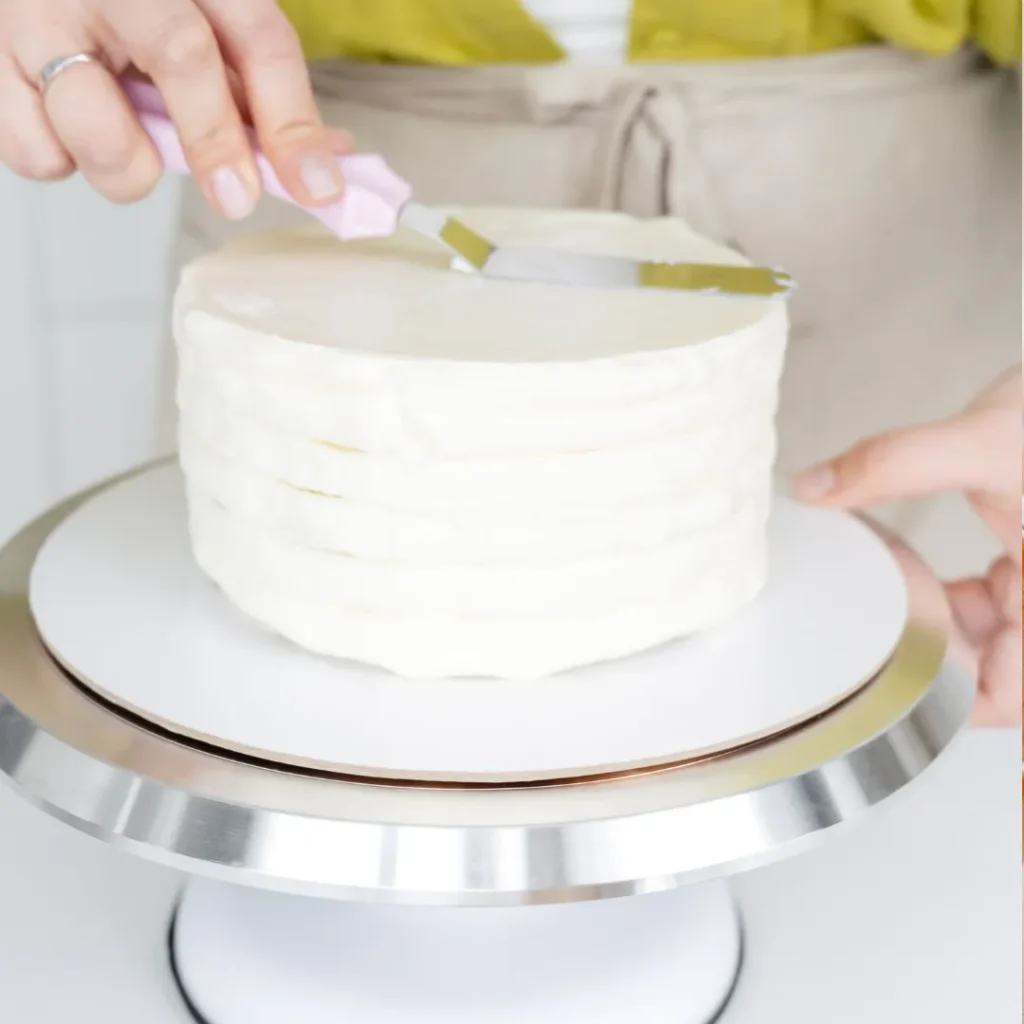
Temper Cold Dairy for cake recipe caption Emulsions
- Bringing cold eggs to true ambient room temperature parameters enables maximum protein expansion during intense mechanical whipping cycles.
- Separating fresh yolks from whites while cold prevents slippery yolk membranes from rupturing accidentally into clean mixing bowls.
- Even microscopic traces of residual egg yolk fat inside copper bowls completely block whites from achieving stiff peak structures.
- Whipping whole eggs with sugar creates thick, pale ribbon paths that form the lifting engine for light sponge layers.
- Freshly cracked egg whites hold more structural air volume than older inventory, yielding noticeably taller cake domes after baking.
- Adding tiny pinches of cream of tartar stabilizes delicate whipped white foams, preventing moisture loss during manual folding steps.
- Beating egg components at uniform medium speeds builds thousands of tiny, highly stable air bubbles instead of volatile large pockets.
- Incorporating whipped foams within three quick stages preserves delicate air volumes, ensuring maximum lightness in chiffon bakes.
- Egg yolk fats coat flour particles beautifully, providing a rich, tenderizing barrier that shortens tough gluten development cycles.
- The natural lecithin proteins found inside fresh yolks act as powerful emulsifiers, marrying water elements with solid butter structures.
- Watching your egg foams transform into glossy, thick peaks signals that your aeration phase has reached perfect technical benchmarks.
- Gentle bottom-to-top hand folding patterns shield fragile protein walls from structural collapse against heavy flour mixtures.
- The rich yellow color of pasture-raised egg yolks infuses vanilla batter mixes with an authentic, warm golden hue.
- Utilizing clean, oil-free wire whisk attachments guarantees flawless foam expansion profiles across high-volume dessert preparations.
- Allowing whipped bases to sit idle for too long triggers rapid deflation, making immediate oven pan loading highly critical.
- The incredible binding power of egg proteins solidifies during baking, forming the core framework that sustains your dessert shape.
- Proper foam management eliminates the need for excessive chemical leaveners, keeping your final flavor profiles completely clean.
- The light, airy texture of a classic angel food slice depends entirely on your mastery of basic egg white mechanics.
- Learning to evaluate peak stiffness by sight refines your intuitive baking instincts, outperforming standard timed instructions every time.
- The successful lift of a towering birthday tier celebrates your careful handling of these delicate, natural protein structures.
Cream Sweet Fats for cake recipe caption Lift
- Beating softened butter together with sugar at medium speeds establishes the foundational air matrix required for a lofty rise.
- Scraping the sides of your mixing bowl thoroughly prevents unblended fat pockets from creating dense, greasy streaks after baking.
- Adding eggs sequentially allows the existing fat mixture to absorb moisture completely without breaking the delicate emulsion barrier.
- Watching for a pale, fluffy texture signals that sufficient air pocket encapsulation has occurred within your fat base.
- Over-mixing at high speeds during early creaming stages friction-heats the butter, melting critical fat structures needed for holding air.
- Alternating dry flour additions with wet milk pours prevents the batter from saturating or developing excessive, tough gluten strands.
- Folding ingredients gently by hand using wide silicone spatulas protects fragile air bubbles created during initial mechanical whipping steps.
- Streamed oil additions must enter egg bases slowly to lock in stable mayonnaise-like emulsions for ultra-moist cake varieties.
- Checking that your butter temperature sits exactly at sixty-five degrees Fahrenheit optimizes its natural air-trapping elasticity and structural strength.
- Incorporating melted chocolate pools requires cooling the liquid slightly to prevent scrambling raw egg proteins inside the batter.
- Whipping egg yolks separately until thick ribbons form injects deep structural richness into classic old-world European tortes.
- Utilizing paddle attachments rather than wire whisks for heavy batters prevents over-aeration, keeping the internal crumb uniform and dense.
- Stopping the mixer the moment flour disappears avoids overworking proteins, ensuring your finished cake layers remain wonderfully tender.
- Adding a single tablespoon of flour along with your final eggs stabilizes borderline emulsions, preventing unsightly batter separation.
- Watching the batter shift from coarse yellow grains to a smooth, satiny cream indicates a perfectly executed mixing cycle.
- Gentle bottom-to-top folding motions ensure heavy dry particles incorporate seamlessly into lightweight whipped egg white foams without deflation.
- Perfecting your emulsion technique guarantees even fat distribution, preventing oil from pooling at the bottom of cake pans.
- Streamlining your ingredient addition workflow keeps batter processing times minimal, preventing premature chemical leavening gas loss before baking.
- The velvety texture of a properly mixed batter holds its shape beautifully when dropped from an elevated spoon or spatula.
- Mastering these initial blending mechanics lays the absolute physical groundwork for an even, predictable bake inside the hot oven.
Coat Baking Pans for cake recipe caption Extraction
- Coating baking pans with a thin layer of softened butter creates a tacky surface that anchors rising batter layers.
- Dusting prepared surfaces with a light coating of flour prevents baked starches from gripping metal walls during cooling.
- Lining pan bottoms with custom-cut circles of parchment paper guarantees clean, effortless cake release without structural tearing accidents.
- Utilizing high-quality reflective aluminum bakeware distributes heat evenly, preventing scorched edges while keeping cake crusts perfectly golden.
- Calibrating independent oven temperatures with external probe thermometers reveals hidden hot spots that cause uneven dome rising.
- Wrapping specialized wet fabric strips around pan perimeters insulates exterior edges, encouraging a perfectly flat, level cake rise.
- Positioning baking racks squarely in the center of the oven chamber optimizes ambient convective air circulation paths.
- Preheating your baking environment for a full twenty minutes ensures internal radiant heat levels remain completely stable upon loading.
- Choosing non-stick pans requires adjusting baking temperatures downward by twenty-five degrees to prevent premature edge over-browning.
- Tapping filled cake pans firmly against flat countertops releases trapped large air pockets, eliminating unsightly internal Swiss-cheese holes.
- Spreading batter evenly toward outer pan perimeters compensates for natural center expansion dynamics during early baking stages.
- Avoiding overcrowding on a single oven rack prevents cold spots, allowing hot air to flow freely around each pan.
- Utilizing springform pans simplifies the extraction of delicate, fragile cheesecakes or flourless chocolate tortes without flipping upside down.
- Dusting cocoa powder instead of white flour inside chocolate cake pans prevents a distracting white residue on dark crusts.
- Keeping oven doors closed during the first two-thirds of the bake protects fragile rising cake structures from sudden cold drafts.
- Adjusting baking parameters based on local high-altitude atmospheric drops prevents cakes from rising too quickly and subsequently deflating.
- Testing pan sizes carefully prevents batter overflows, keeping target filling levels strictly at two-thirds total pan capacity.
- Clean metal surfaces ensure your batter can grip and climb pan walls effectively, yielding maximum height and fluffiness.
- Investing in heavy-gauge professional cake pans prevents structural warping over time, ensuring perfectly circular layers for stack alignment.
- Proper physical pan prep saves bakers from the heartbreak of ruined, stuck layers after investing hours into precision mixing.
Calibrate Oven Heat for cake recipe caption Consistency
- Calibrating independent oven temperatures with external probe thermometers reveals hidden hot spots that cause uneven dome rising.
- Preheating your baking environment for a full twenty minutes ensures internal radiant heat levels remain completely stable upon loading.
- Positioning baking racks squarely in the center of the oven chamber optimizes ambient convective air circulation paths.
- Avoiding overcrowding on a single oven rack prevents cold spots, allowing hot air to flow freely around each pan.
- Convection fan settings accelerate heat wave propagation, requiring a twenty-five-degree temperature drop to prevent premature edge scorching.
- Tracking internal ambient heat drops when opening oven doors highlights the value of monitoring bakes strictly through glass windows.
- Leveling your interior oven racks using small spirit tools prevents raw batter fields from sloping toward pan sides.
- Radiant heat variations between top and bottom heating elements dictate rack placement strategies for delicate vs heavy batters.
- Verifying your appliance’s actual cycling temperature variance protects fragile egg white foams from structural collapse during baking.
- Documenting accurate bake times across varying seasonal kitchen climates refines your intuitive pastry handling instincts over multiple years.
- Proper airflow management around your metal tins eliminates the risk of underbaked, gummy centers inside dense cake layers.
- Trusting empirical thermometer data over generic built-in appliance digital readouts shields your baking investments from temperature errors.
- Consistent ambient thermal profiles ensure that multiple matching pans cook at identical, highly predictable rates simultaneously.
- Smart appliance monitoring turns volatile heating chambers into highly dependable, scientifically controlled environments for precision starch gelation.
- Adjusting your baking rack configuration to account for tall funnel tube profiles preserves safe clearance from top broiler elements.
- The uniform browning across all loaded cake layers confirms the structural efficiency of a well-calibrated oven setup.
- Learning to balance radiant and convective heat forces gives bakers complete control over exterior crust thickness and color saturation.
- The flawless rise of a challenging multi-tiered wedding order rewards your patient commitment to early temperature verification steps.
- Professional pastry standards demand absolute control over the thermal baking variables that turn wet batters into solid art.
- Finalizing your environmental heating link bridges the gap between raw pan preparation and predictable, bakery-quality culinary success.
Verify Core Texture for cake recipe caption Success
- Inserting a clean wooden skewer into the exact center of the cake tests internal moisture levels safely.
- Watching for a clean skewer extraction completely free of wet batter strings indicates proper starch gelation inside.
- Pressing the cake center gently with your fingertip tests springiness, as fully baked layers bounce back immediately without indenting.
- Observing cake edges pulling away slightly from pan walls signals that internal moisture reduction has reached optimal parameters.
- Tracking changing surface coloration shifts provides a visual cue, as pale batters transform into rich golden-brown crusts.
- Utilizing digital instant-read internal thermometers confirms a perfect doneness when core temperatures reach precisely two hundred degrees Fahrenheit.
- Smelling a deep, sweet aroma filling your kitchen spaces provides an intuitive, sensory-driven clue that baking cycles are ending.
- Noticing tiny, gentle sizzling sounds fading away from the oven indicates that excess water volume has successfully evaporated.
- Checking underneath domed peaks reveals if lingering wet pockets remain before pulling pans out onto cooling wires permanently.
- Avoid relying strictly on timer alerts, as varying kitchen humidity scales alter absolute baking times from day to day.
- Overbaked profiles show dry, crumbly textures and dark, bitter edges that easily separate from the main cake body.
- Underbaked centers collapse into dense, gummy craters the moment cool room air contacts the fragile, un-set protein framework.
- Clean crumb attachments on your testing toothpick indicate a moist, perfectly baked interior that is ready to cool.
- Taking mental notes of accurate bake times across different seasonal cycles refines your personal intuitive baking instincts over years.
- Allowing cakes to bake until they pass all three structural tests eliminates guesswork, ensuring gourmet results every time.
- The uniform texture of a properly timed layer slice reflects a flawless transition from liquid batter to solid cake.
- Perfecting your doneness evaluation prevents dry results, keeping internal cake structures remarkably succulent and velvety for serving.
- Pulling layers out at the precise moment of doneness locks in maximum flavor density before volatile aromatics burn away.
- Trusting empirical testing methods over visual guesswork protects your culinary investment from standard over-baking blunders.
- The triumphant sight of a perfectly level, beautifully browned cake layer rewards your rigorous adherence to time and temperature.
Rest on Grids for cake recipe caption Stability
- Resting hot pans on elevated wire cooling racks for ten minutes allows internal steam pressures to equalize gradually.
- Running a thin, flexible offset spatula gently around pan inner edges frees stubborn crust points before attempting inversion.
- Inverting settled pans onto wire grids prevents steam condensation from trapping moisture, which can make cake bases unpleasantly soggy.
- Peeling away parchment paper backings while layers remain warm prevents the sugar sheets from gripping crumbs permanently.
- Allowing cake layers to cool completely to room temperature stabilizes fragile fat matrices before any knife work begins.
- Wrapping room-temperature layers tightly in double coats of plastic wrap seals in baseline humidity levels for overnight storage.
- Chilling wrapped cake layers inside refrigerators for two hours firms up the butter structure, minimizing messy slicing crumbs.
- Avoid exposing hot, unprotected cake surfaces to aggressive air currents, which causes rapid surface drying and cracking.
- Slicing domed tops off chilled layers using long serrated bread knives yields perfectly flat surfaces for stable tier stacking.
- Freezing wrapped layers for up to a month preserves absolute freshness, offering a convenient head start for large event bakes.
- The cool internal temperature of a chilled cake layer prevents applied buttercream frostings from melting or sliding off sideways.
- Allowing frozen cakes to thaw slowly inside refrigerator compartments keeps condensation moisture on the wrapper outer face away from crumbs.
- Checking layer levels with small culinary rulers ensures your assembled tiers look balanced, symmetrical, and completely professional.
- Brushing away loose surface crumbs using soft pastry brushes prevents stray particles from clouding up your final frosting coats.
- Setting aside cake scraps provides a fun opportunity to taste-test your work or create delicious cake-pop mixtures later.
- Controlled temperature drops prevent structural shock, preserving the velvety, delicate texture you worked hard to mix.
- Chilled cake handling minimizes the risk of structural splitting when transferring large, wide layers across assembly turntables.
- Proper cooling practices turn fragile baked goods into durable structural components that are fully ready for artistic decoration.
- The dense, stable feel of a perfectly cooled layer slice makes applying thin crumb coats a smooth, enjoyable process.
- Patience during these final cooling hours separates rushed home bakes from flawless, bakery-quality tier masterpieces.
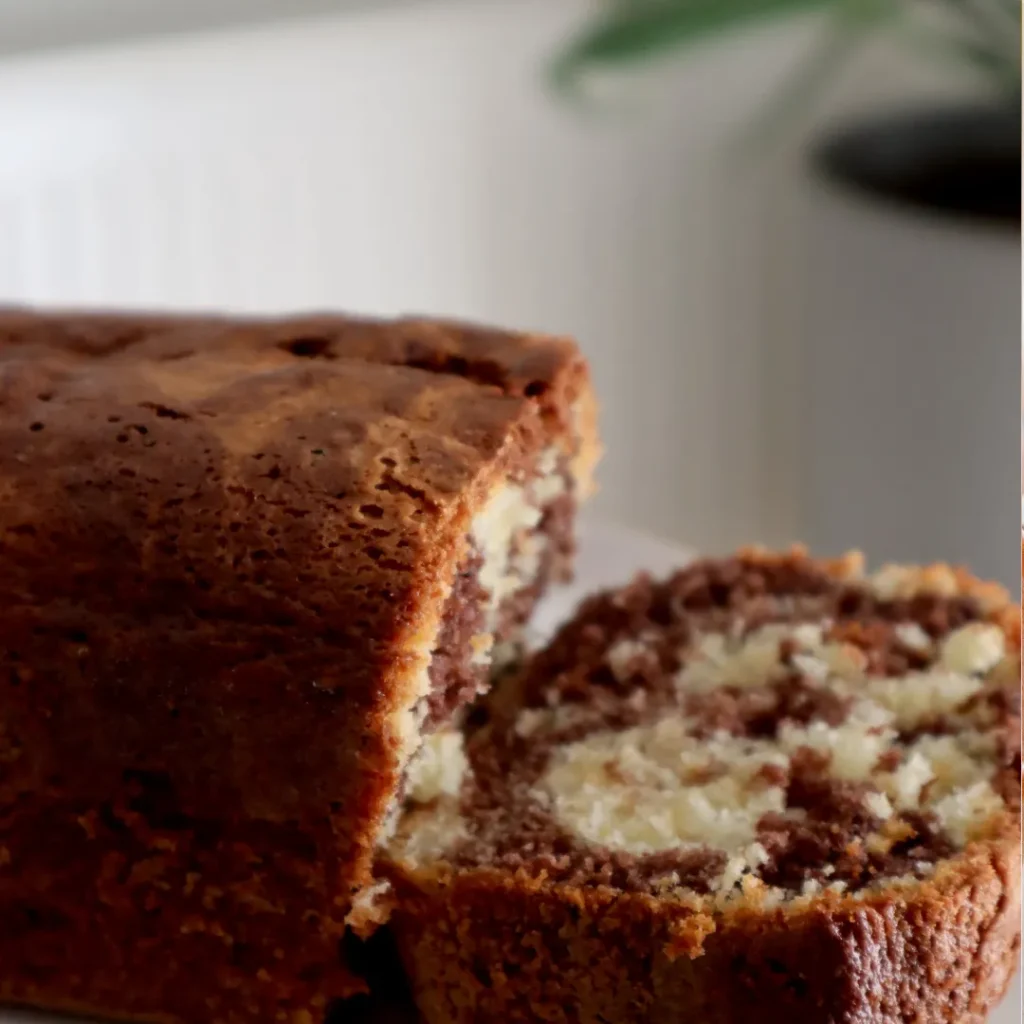
Assemble Tier Towers for cake recipe caption Alignment
- Placing a small dollop of buttercream directly onto your rotating turntable base anchors the bottom cake layer securely.
- Piping thick borders of stiff icing around layer perimeters creates a secure dam that contains slippery fruit fillings safely.
- Spreading even fields of flavored fillings using flat offset spatulas prevents lopsided slants within your assembled tiers.
- Stacking subsequent cake layers upside down places the flat, sharp parchment-cut edge on top for a perfect geometric profile.
- Applying an ultra-thin initial crumb coat locks in stray cake particles, keeping your outer frosting layer perfectly pristine.
- Chilling the assembled crumb-coated cake tier for twenty minutes sets the fat base before you apply final decorative coatings.
- Spreading generous amounts of outer frosting onto top surfaces first allows excess icing to cascade down side walls smoothly.
- Holding metal bench scrapers at strict forty-five-degree angles against rotating cake sides creates perfectly smooth, smooth vertical walls.
- Pulling top icing edges gently inward toward centers using clean offset spatulas creates sharp, professional ninety-degree corners.
- Utilizing revolving cake turntables enables smooth, continuous motions that eliminate choppy stop-and-start texture lines in your frosting.
- Cleaning your tools frequently on clean paper towels prevents dried icing bits from scratching up smooth finish surfaces.
- Incorporating high-fat professional buttercreams ensures your finished cake surfaces retain a silky smooth, pearl-like luxurious sheen.
- Watching your structural alignment from eye level prevents leaning tower anomalies before tiers go into final display chilling.
- Draping smooth rolled fondant blankets over well-chilled surfaces requires gentle hand-smoothing motions from the top down to prevent folds.
- Trimming away excess lower fondant fringes using sharp utility wheels yields a clean, flush baseline finish along cake boards.
- Perfecting these structural assembly basics ensures your towering dessert creations remain stable and beautiful throughout long display events.
- Smooth frosting canvases provide an inviting platform for showcasing intricate piped borders, edible gold leaves, or fresh flowers.
- Taking your time during tier leveling prevents unexpected sliding disasters during delivery transit trips to event venues.
- The solid foundation of a well-anchored cake layer gives decorators complete confidence to push creative design boundaries safely.
- Professional presentation values rely entirely on these hidden assembly mechanics, ensuring your baked art stands straight and beautiful.
Pipe Fine Outlines for cake recipe caption Art
- Tuning your icing consistency with tiny splashes of milk adjusts pipe flow friction for effortless decorative borders.
- Practicing script lettering designs on flat parchment sheets helps build muscle memory before writing directly onto cake tops.
- Squeezing piping bags firmly from the top down prevents messy icing blowouts from escaping past your require hand grip.
- Utilizing classic star tips enables the creation of elegant shell borders that anchor cake bases to display boards beautifully.
- Spinning your turntable at steady, predictable speeds allows for the piping of continuous, uniform rope borders around top rims.
- Creating delicate buttercream rosettes requires a gentle center-outward looping motion while maintaining steady, even hand pressure.
- Adjusting your grip warmth prevents hand heat from melting the butter within delicate piping bags, preserving crisp design definition.
- Incorporating texturing combs along wet icing side walls creates beautiful, uniform horizontal ridges that mimic industrial bakery finishes.
- Dropping edible pearl sprinkles onto wet rosettes using clean culinary tweezers avoids disturbing surrounding smooth icing fields.
- Layering varied tip sizes introduces visual depth, transforming flat icing walls into dynamic, three-dimensional edible tapestries.
- Whipping air out of your decorative icings using wooden spoons creates a dense, bubble-free medium perfect for ultra-fine script work.
- Creating rustic textured looks involves using back-and-forth offset spatula flicks, forming beautiful wave patterns in soft buttercreams.
- Allowing piped elements to crust slightly in cool air locks in sharp petal definitions on intricate buttercream roses.
- Cleaning tip openings with damp cloths between design shifts prevents crusty buildup from distorting your planned extrusion patterns.
- Embracing minimal design aesthetics keeps decorations sophisticated, letting clean lines and subtle color shifts drive visual appeal.
- Precise pressure controls allow decorators to transition smoothly from thick leaf bases to delicate, paper-thin tips effortlessly.
- The artistic satisfaction of watching raw icing transform into intricate lace patterns rewards your dedicated time spent practicing.
- Elevating your cakes with professional piping turns delicious desserts into unforgettable centerpieces for major milestone celebrations.
- Choosing matching color palettes links your piped artistry with overarching party themes, leaving lasting impressions on event guests.
- Masterful finishing touches communicate deep culinary care, ensuring your cake looks every bit as spectacular as it tastes.
Balance Acid Elements for cake recipe caption Harmony
- Crafting custom simple syrups infused with aromatic herb stems adds clean, subtle moisture layers to baked cake crumbs.
- Brushing hot liquid glazes over warm, freshly poked cake surfaces ensures deep flavor penetration down to core layers.
- Balancing intense, sugary cake layers with tart citrus curd fillings introduces a refreshing contrast that excites the palate.
- Steeping roasted espresso beans into heavy cream bases yields an adult coffee undertone that pairs beautifully with dark chocolates.
- Folding toasted chopped nuts into velvet fillings injects an exciting textural crunch that breaks up soft cake profiles.
- Incorporating aged dark rums or sweet fruit liqueurs into simple syrups adds an upscale flavor profile for adult parties.
- Matching seasonal fruit compotes with light vanilla bean sponges captures the authentic essence of summer baking themes perfectly.
- Utilizing high-percentage sea-salt caramels introduces a savory counterweight that tempers sweet, sugary American style buttercreams.
- Infusing delicate lavender blossoms into warm milk bases yields an elegant floral note perfect for garden-themed tea party bakes.
- Swirling tangy raspberry reductions directly through dense white chocolate ganaches breaks up heavy fat richness with bright acidity.
- Experimenting with international spice blends like warm cardamom or fresh ginger introduces unexpected warmth to traditional carrot bakes.
- Allowing filled cakes to rest inside refrigerator units for twelve hours marries independent flavor notes into one cohesive profile.
- Brushing coconut milk reductions over tropical-themed layers infuses authentic island aromatics deep into traditional vanilla crumb bases.
- Developing layered flavor menus ensures that every single bite delivers a balanced harmony of sweet, salt, acid, and fat components.
- Using high-quality oil-based fruit extracts prevents batter flavoring components from flashing off completely under high oven baking heats.
- The aromatic complexity of a well-infused cake slice lingering on the palate showcases true gourmet menu development skills.
- Tailoring infusion profiles to match your frosting choices prevents flavor clashes, ensuring a smooth, pleasing tasting experience for diners.
- Deliberate flavor balancing transforms standard party sweets into memorable culinary experiences that guests will talk about for weeks.
- The subtle moisture boost from precision syrup brushing keeps cake tiers succulent, preventing dry textures even during extended displays.
- Elevating your baking through advanced flavor pairings demonstrates a mature culinary vision that celebrates both taste and texture equally.
Slice Heated Blades for cake recipe caption Cleanliness
- Dipping long, thin slicing knives into boiling water cycles heats the metal blade for clean cuts through cold buttercreams.
- Wiping the warm knife blade completely dry with clean kitchen towels between every single slice prevents messy icing smudges.
- Utilizing clean sawing motions with long serrated blades preserves the delicate crumb structure of soft chiffon cakes perfectly.
- Cutting large tier cakes into uniform grid squares maximizes serving yields, outperforming old-fashioned wedge slicing methods significantly.
- Presenting dessert slices on chilled dessert plates prevents delicate frosting elements from melting during warm outdoor events.
- Pairing rich chocolate bakes with dry, acidic espresso beverages cleanses the palate between rich, decadent bites.
- Utilizing acrylic cake slicing guides guarantees absolute portion consistency across high-volume catering dessert lines.
- Setting out dedicated cake servers protects fragile slice configurations from tipping over sideways during plate transfers.
- Allowing chilled cake portions to sit at room temperature for fifteen minutes restores optimal butter softness for consumption.
- Offering light fruit garnishes alongside decadent desserts adds a refreshing visual and flavor contrast to serving plates.
- Slicing through fondant-covered tiers requires extra-sharp straight blades to prevent dragging the sugar sheet down into soft fillings.
- Presenting your sweet creations on elegant elevated pedestal stands highlights your hard work, creating instant visual drama on buffet tables.
- Keeping serving areas clean of loose crumb debris maintains a premium, high-end bakery atmosphere throughout your entire event.
- Training event staff on proper multi-tier dismantling steps protects structural columns from collapsing during busy dessert hours.
- The clean, sharp reveal of multi-colored internal cake layers rewards guests with a beautiful visual surprise upon slicing.
- Proper serving manners ensure that every single guest receives a beautiful, structurally intact piece of your culinary art.
- Calculating accurate dessert portions prevents wasteful leftovers while ensuring no guest misses out on sweet event finales.
- The joy of sharing perfectly portioned slices of your home-baked masterpiece with loved ones forms the ultimate baking reward.
- Elegant presentation styling mirrors the high technical care invested into the mixing, baking, and decorating phases.
- Masterful execution from initial flour scale measurements to final plate presentations completes your journey as an accomplished cake baker.
Seal Open Crumbs for cake recipe caption Preservation
- Storing exposed cake cuts with a thin layer of leftover buttercream protects open crumbs from drying room currents.
- Placing sliced cake remnants inside airtight glass domes preserves baseline freshness for up to three days at room temperature.
- Freezing individual dessert slices on flat parchment sheets solidifies soft icing designs before long-term storage wrapping occurs.
- Enclosing frozen, pre-wrapped slices inside heavy-duty zip-lock freezer bags protects delicate fats from absorbing unwanted ice box odors.
- Utilizing specialized airtight cake containers keeps moisture balances locked in while protecting delicate piped decorations from structural crushing.
- Thawing frozen cake portions slowly inside refrigerator compartments prevents sudden temperature shocks from melting fragile butter layers.
- Labeling storage packages with accurate baking dates ensures optimal inventory rotation within busy home freezer units.
- Avoid storing unprotected cakes near strong flavor sources like raw onions or garlic, as fats absorb aromatics rapidly.
- Revitalizing slightly dry cake slices involves warming them inside microwave units for exactly eight seconds on low power.
- Freezing fully decorated buttercream cakes for upcoming events requires overnight chilling to harden designs before plastic wrapping steps occur.
- Understanding shelf-life limits across different filling types prevents spoilage, keeping your family safe from dairy breakdowns.
- Keeping your cake storage spaces consistently cool prevents oil separation within rich, dark chocolate ganache finishes.
- Utilizing clear plastic wrap barriers prevents surface skin formation on leftover pudding or pastry cream fillings inside bowls.
- Bringing preserved cake layers back to precise room temperature settings unlocks hidden flavor depths before serving hours arrive.
- Investing in dedicated cake transport boxes protects your completed artistic tiers from dust and vehicle movements during transit trips.
- Proper preservation setups lock in that elusive day-one fresh-baked magic, extending your enjoyment across multiple sweet days.
- Smart leftover storage workflows minimize kitchen waste, turning extra cake layers into base materials for gourmet truffles.
- Knowing how different fats react to freezing guides your choice of storage methods, preserving optimal crumb textures through cycles.
- Clear organization within your baking fridge ensures you always have room to chill delicate assembly tiers safely away from dinner foods.
- Mastering long-term preservation completes your technical skillset, ensuring your hard work remains delicious down to the very last bite.
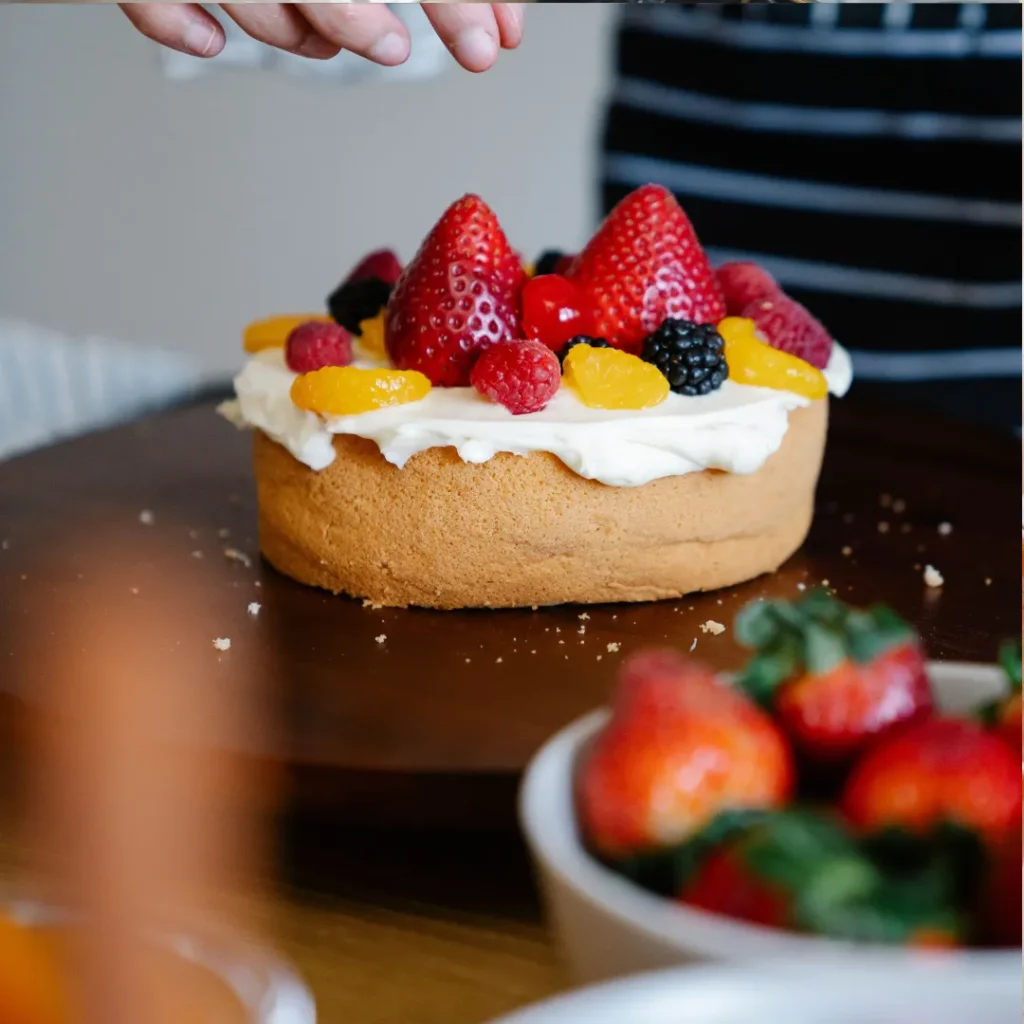
Related; 187+ Master the Best How to Bake a Sweet Potato Caption
Melt Dairy Blocks for cake recipe caption Smoothness
- Using unsalted butter blocks allows decorators to manage sodium ratios independently across varying frosting and batter layers.
- Solid baking fats must remain flexible yet cool to trap air pockets efficiently during early high-speed creaming steps.
- Melted butter additions inject a deep, traditional nutty aroma but will not provide structural lifting power to sponge batters.
- Liquid vegetable oils coat flour grains thoroughly, creating a succulent crumb that stays soft inside cold display fridges.
- High-fat European style butters feature less water content, yielding an exceptionally rich, velvety melt-in-your-mouth cake texture.
- Creaming vegetable shortening into butter bases raises the overall melting point, protecting outdoor party cakes from sliding sideways.
- Avoid using light tub spreads for baking, as their high water volumes trigger excessive gluten cross-linking and tough crumbs.
- Allowing your baking fats to warm up to exactly sixty-five degrees Fahrenheit optimizes natural structural elasticity during mixing.
- Swirling coconut oils into tropical-themed batters adds an authentic, rich aroma that pairs beautifully with fresh lime zests.
- The smooth distribution of fats throughout your batter mixture prevents unsightly oil pools from collecting at pan bases.
- Watching solid fats turn into a pale, creamy cloud indicates that your sugar crystals have cut perfect air cells.
- Proper fat choices protect your finished layers from drying out quickly, extending premium shelf-life benchmarks significantly.
- The luxurious mouthfeel of a high-quality butter cake reflects your commitment to sourcing premium, high-fat dairy components.
- Blending liquid oils with cocoa powders creates a glossy paste that deepens chocolate flavor dispersion across fudge variations.
- Protecting your solid butter inventory from absorbing strong refrigerator odors keeps your final icing profiles entirely pristine.
- The tenderizing effect of quality baking fats shortens tough protein strands, giving your dessert a delicate, crumbly finish.
- Learning to balance solid and liquid fats allows you to tailor cake textures precisely for slicing or carving.
- The clean, professional release of baked sheets from metal pan walls highlights the lubricating power of quality fats.
- Investing in upscale organic dairy components delivers a noticeable depth of flavor that generic alternatives cannot match.
- Masterful fat integration keeps your layers beautifully moist, ensuring every bite remains soft, rich, and completely delicious.
Stream Liquids Sequentially for cake recipe caption Elasticity
- Adding farm-fresh eggs sequentially allows the creamed butter matrix to absorb liquid volume without breaking the emulsion.
- Broken or curdled batters cause baked cake layers to finish with a dense, greasy texture and uneven holes.
- Bringing all your dairy components to identical room temperature configurations prevents structural emulsion shock during blending.
- Streaming liquid oils slowly into whipped egg bases locks in a stable, mayonnaise-like grid for chiffon variations.
- Tossing a single tablespoon of recipe flour into borderline mistakes re-binds separated fats and liquids instantly.
- High-speed mixing choices after liquid additions fracture fragile fat locks, making low or medium settings highly critical.
- Watching your batter shift into a smooth, satiny cream indicates a perfectly bound chemical emulsion has occurred.
- Bound emulsions trap expanding leavening gases efficiently, driving a tall, beautifully uniform rise inside hot ovens.
- Cleaning your mixing paddle frequently ensures that unblended fat pockets do not linger at bowl bases.
- Proper structural handling techniques keep recipe oils suspended evenly, avoiding dense rubbery layers at the base of pans.
- The creamy texture of a correctly bound batter coats testing spoons smoothly without dripping off in watery streams.
- Learning to spot the early matte look of a breaking mixture allows you to deploy corrective flour steps quickly.
- The spectacular mouthfeel of a professional crumb slice celebrates your technical control over these hidden dairy bonds.
- Blending melted chocolate pools slowly into creamed bases requires careful temperature monitoring to prevent fat breakdown.
- Protecting your delicate batter emulsions from excessive heat during mixing preserves the air cells needed for fluffiness.
- The structural success of heavy pound bakes relies entirely on the strength of these bound fat-and-liquid grids.
- Smart mixing workflows align mechanical friction forces with natural dairy properties, creating highly stable baking mediums.
- The effortless release of baked cake layers from parchment linings confirms even fat distribution throughout your batter.
- Masterful emulsion control elevates simple home baking formulas into exceptionally soft, bakery-quality gourmet dessert treats.
- Flawless consistency across every single slice path rewards your dedicated focus during early ingredient blending stages.
Dissolve Fine Crystals for cake recipe caption Retention
- Fine caster sugar crystals dissolve rapidly into softened butter matrices, creating millions of microscopic air-trapping pockets easily.
- Sugar acts as a powerful structural tenderizer by competing directly with flour starches for available recipe liquid volumes.
- Substituting dark brown sugars introduces natural molasses elements that deepen caramel flavor notes inside dense autumn bakes.
- Excess sugar levels weaken overall protein frameworks, causing your cake centers to collapse into gummy craters during baking.
- Creaming granulated sugars correctly with fats yields a pale, voluminous base that supports heavy flour additions later.
- Sifting powder confectioners’ sugar eliminates stubborn sugar lumps, ensuring your final buttercream finishes remain flawlessly smooth.
- Sugar molecules lock in baseline crumb moisture through natural hygroscopic actions, preventing rapid drying after slicing hours arrive.
- Reducing sugar ratios arbitrarily alters structural balances, turning light, fluffy sponges into dense, bread-like textures unexpectedly.
- Honey additions introduce rapid surface browning dynamics, requiring a twenty-five-degree oven drop to prevent premature edge scorching.
- The sweet crystallization of exterior cake crusts adds a delightful, delicate crunch that contrasts beautifully with soft interiors.
- Watching sugar crystals disappear into whipping egg whites signals the formation of a highly stable, glossy meringue base.
- Proper sweetener choices balance bitter cocoa inputs perfectly, unlocking deep, multi-dimensional flavor layers inside chocolate variations.
- Liquid glucose additions keep poured chocolate ganache glazes incredibly flexible, preventing surface cracking patterns upon chilling.
- Protecting your dry sugar inventory from high ambient kitchen humidity avoids hard clumping inside storage canisters.
- The clean, balanced sweetness of a well-proportioned sponge layer allows delicate fruit fillings to take center stage beautifully.
- Learning to manage sugar caramelization levels gives bakers complete control over exterior layer colors and crust textures.
- The smooth flow of a properly sweetened batter ensures level distribution across prepared baking pans without clumping.
- Masterful sugar deployment fuels essential chemical interactions, driving both beautiful aesthetic browning and superior crumb moisture.
- The proud sight of a perfectly risen, golden-crusted cake layer rewards your precise adherence to sugar weight parameters.
- Elegant dessert styling relies on these balanced sweet foundations, ensuring your culinary art tastes as good as it looks.
Deploy Silicone Scrapers for cake recipe caption Cleanliness
- Utilizing digital kitchen scales eliminates the severe volume variances caused by packing flour tightly into measuring cups.
- Accurate metric weight tracking guarantees absolute professional consistency across every single batch of cake layers baked.
- Gram-based measurements allow for precise micro-adjustments to delicate leavening powders, preventing unexpected center deflations safely.
- Weighing your filled cake pans on scales ensures identical batter distribution for perfectly uniform, level layers.
- Measuring liquid ingredients by weight rather than fluid ounces streamlines your kitchen workflow using fewer dirty dishes.
- Setting your digital scale back to zero between ingredient additions enables single-bowl mixing workflows with ease.
- Volumetric cup measurements can fluctuate up to twenty percent based on flour settling, ruining delicate sponge recipes.
- Precise fat weight tracking keeps your recipe ratios perfectly balanced, avoiding greasy crumbs or dry layer structures.
- Documenting exact weight variations across seasonal baking cycles helps refine your custom formula sheets over multiple years.
- Proper weight discipline separates casual home cooks from accomplished pastry chefs who demand flawless, predictable results.
- The solid reliability of a scale-measured recipe gives bakers complete confidence when scaling up formulas for large events.
- Weighing dry powders before sifting ensures you do not lose critical leavening mass during the dusting process.
- The perfect structural rise of your finished dessert tier validates your rigorous commitment to precision weight parameters.
- Scale calibration checks keep your instruments tracking accurately, protecting expensive baking ingredients from measurement errors.
- The uniform texture across multiple sliced layers reflects the flawless balance achieved through precision digital weighing steps.
- Learning to think in metric weights unlocks advanced pastry books and international recipes with absolute technical ease.
- Liquid syrup reductions should be weighed after cooking to verify exact moisture loss benchmarks before brushing crumbs.
- The exceptional crumb consistency of your daily bakes proves that scales are a baker’s most vital tool.
- Protecting your digital instruments from kitchen spills preserves operational longevity for years of dependable weight monitoring.
- Masterful weight control forms the absolute baseline of baking success, transforming simple powders into reliable culinary masterpieces.
Buy Gauge Bakeware for cake recipe caption Uniformity
- Investing in heavy-gauge reflective aluminum baking pans distributes heat evenly, preventing scorched edges during intense bakes.
- Revolving professional cake turntables enable smooth, continuous motions that eliminate choppy stop-and-start lines in final frostings.
- Long serrated bread knives slice through chilled layers cleanly without crushing the delicate internal crumb structure underneath.
- Flexible stainless steel offset spatulas provide excellent leverage for spreading even fields of fillings across tiers.
- Wide metal bench scrapers held at forty-five-degree angles create perfectly smooth, crisp vertical icing walls effortlessly.
- Digital instant-read thermometers eliminate total guesswork by confirming perfect center doneness at two hundred degrees Fahrenheit.
- Seamless silicone spatulas clean bowl walls completely, ensuring no require batter volumes are wasted during transfers.
- Sturdy wire cooling racks elevate hot pans completely, preventing steam traps from making your cake bases soggy.
- High-quality piping bags fitted with reinforced screw couplers prevent messy icing blowouts during heavy decorative sessions.
- Using calibrated oven thermometers reveals real internal temperature hot spots that standard appliance dials miss completely.
- Ergonomic stand mixer attachments handle dense creaming chores efficiently, freeing up your hands for precise ingredient pouring.
- Fine-mesh stainless steel sieves break up stubborn flour clumps while distributing leavening powders evenly through dry mixes.
- Heavy-duty canvas storage wraps protect expensive rolling pins from moisture warping inside damp kitchen drawers.
- Utilizing clear acrylic scraping guides guarantees absolute vertical alignment across complex multi-layer geometric designs.
- Sharp culinary wheel cutters slice through rolled fondant sheets cleanly without snagging or stretching fragile edges.
- Proper tool selection simplifies complex decorating workflows, turning challenging assembly steps into an enjoyable creative process.
- The professional-grade look of your finished dessert stand highlights the utility of using correct, task-specific instruments.
- Keeping your premium tool kit clean and dry preserves edges and gears for decades of reliable baking service.
- Upscale decorating accessories empower home bakers to execute intricate bakery-quality visual designs with absolute confidence.
- Masterful execution relies on these dependable mechanical extensions, connecting your creative vision directly with edible art realities.
Tie Wet Insulators for cake recipe caption Alignment
- Wrapping specialized wet fabric insulation strips around pan perimeters ensures a perfectly flat, level cake rise.
- Lowering your oven temperature to three hundred and twenty-five degrees promotes uniform center-to-edge batter cooking rates.
- Spreading mixed batter fields slightly toward outer pan walls compensates naturally for standard center dome expansion.
- Avoiding aggressive high-speed mixing choices prevents over-aeration, keeping your internal cake structures remarkably dense and level.
- Placing your cake pans precisely on middle oven racks optimizes ambient convective hot air circulation patterns.
- Tapping filled pans firmly against flat wooden cutting boards releases large trapped air bubbles before baking begins.
- Checking pan leveling with small pocket tools prevents lopsided batter slopes inside older, un-level home ovens.
- Allowing baked sheets to settle inside their metal walls for ten minutes locks in flat top memory shapes.
- Professional decorators trim away minor remaining crown rises using long serrated blades held perfectly level by eye.
- The flat surface of a well-baked layer ensures stable stacking dynamics without requiring excessive corrective frosting fills.
- Learning to control your oven’s radiant heat flow eliminates the need for aggressive post-bake layer carving.
- Slicing flat sheets into thin individual horizontal layers reveals a beautiful, uniform cell pattern from edge to edge.
- The geometric symmetry of your assembled tier towers depends entirely on these flat foundational baking steps.
- Utilizing heavy, thick-walled cast aluminum pans shields delicate batters from sharp, unpredictable heat spikes during baking.
- Proper level management prevents slippery fruit fillings from sliding out sideways after tier assembly hours end.
- The clean look of a perfectly square cake slice celebrates your careful monitoring of early expansion dynamics.
- Smart heat insulation practices turn volatile liquid batters into dependable, straight-walled architectural structural blocks for decoration.
- Keeping your oven door closed during early structural setting hours protects fragile, flat-rising layers from sudden cold drafts.
- Masterful level control saves precious cake volume, maximizing your total serving yield across large event orders.
- Flawless presentation values start with these hidden geometric precautions, ensuring your sweet creation stands perfectly straight.
Blend Custom Gel Tones for cake recipe caption Presentation
- Combining custom food color gels drop by drop builds sophisticated, upscale pastel palettes for wedding-style tiers.
- Draping smooth rolled fondant blankets over well-chilled surfaces requires gentle hand-smoothing motions from the top down to prevent folds.
- Arranging fresh, pesticide-free blooms onto cake tops requires wrapping stems carefully in food-safe floral tape first.
- Pressing delicate edible gold leaf sheets against firm buttercreams injects an instant touch of modern luxury.
- Creating beautiful gradient ombre looks involves blending three distinct shades of icing smoothly using bench scrapers.
- Stenciling intricate lace patterns along side walls requires a thick, low-moisture royal icing medium for crisp results.
- Allowing poured chocolate drip designs to cool slightly ensures elegant, controlled cascades down frosted cake walls.
- Decorating with handmade marshmallow fondant shapes allows for detailed sculptural figures that delight children completely.
- Balancing your visual focal points keeps designs elegant, preventing crowded decorations from overwhelming your cake’s shape.
- Utilizing fine-tip paintbrushes dipped in vodka-based pearl dusts unlocks custom metallic hand-painted script designs on fondant.
- Splashing abstract chocolate contrast drops across clean icing canvases creates a fun, modern Jackson Pollock look.
- The incredible visual impact of your finished cake design transforms simple desserts into unforgettable event centerpieces.
- Learning to translate party themes into subtle edible shapes demonstrates a mature, professional design vision.
- Protecting completed design elements from direct afternoon sunlight prevents colored icing decorations from fading or melting.
- The proud moment of unveiling your custom-designed edible masterpiece to event guests forms the ultimate baking reward.
- Smart design planning aligns decoration weights with internal cake structures, avoiding crushed tiers or lean anomalies.
- The smooth fusion of taste, texture, and visual brilliance completes your journey as an accomplished custom cake artist.
- Every piped dot, molded flower, and smooth edge communicates deep culinary care and celebration joy.
- Your custom cake design stands as a beautiful testament to your hard work, patience, and creative passion.
- Elevating your baking into the realm of fine art leaves a lasting sweet impression that guests will talk about for weeks.
❓ Frequently Asked Questions Regarding cake recipe caption Guidelines
Why does a cake recipe sometimes call for alternating dry and wet ingredient additions?
Alternating the addition of flour and liquids when mixing a standard batter preserves the fat emulsion you built during the early creaming phase. Pouring all your liquid elements in at once can overwhelm the creamed butter, causing the fat matrix to separate and curdle. Conversely, dumping all the flour in at once creates a highly viscous paste that requires aggressive mechanical force to mix, overworking the proteins and developing tough, bread-like gluten strands.
How can I reliably adjust a layer cake recipe for high-altitude baking environments?
Baking at high altitudes requires adjusting your recipe variables to compensate for lower atmospheric pressures and faster moisture evaporation rates. To prevent your cake layers from rising too rapidly and collapsing into a dense crater, reduce your baking powder or soda volume by roughly 15% to 25%. Additionally, increase your formula’s primary liquid volume by 10% to 15% to offset accelerated evaporation, and raise the oven temperature by 15 to 25 degrees Fahrenheit to help the protein structures set quickly.
What is the exact physical function of salt inside a sweet cake recipe?
While salt is structurally classified as a flavor enhancer, its role inside a sweet cake batter extends deep into structural chemistry. Sodium ions interact directly with flour proteins, strengthening the gluten matrix and providing essential structural elasticity that traps expanding leavening gases uniformly. Furthermore, salt tempers the intense, aggressive sweetness of crystalline cane sugars, unlocking delicate, volatile aromatic notes from ingredients like vanilla bean paste and roasted nuts.
Final Thoughts
Executing a flawless pastry formula requires a disciplined commitment to exact weight tolerances, thermal management, and structural assembly guidelines. From the moment your digital micro-scale registers your low-protein cake flour to the quiet hours spent cooling your layers on elevated wire grids, every single mechanical choice impacts your final crumb configuration.
By understanding how fats emulsify with dairy components and how starches gel under precisely calibrated oven temperatures, you lift your baking out of the realm of guesswork.
Take your time during tier alignment, practice your pressure controls during custom color piping sessions, and seal your storage containers carefully.
The rewarding reveal of a perfectly uniform, succulent dessert slice validates your technical focus and establishes your status as a truly accomplished home pastry artist.